
As of mid‑2025, the U.S. Dollar Index (DXY) is down around 10–11% year-to-date — its worst first-half performance since 1973. This sharp decline raises pressing questions for global investors about the sustainability of king dollar dominance and the implications for international portfolios.
Global investors & private clients should keep two memorable expressions in mind to secure & maintain their wealth:
“Those who live in glass houses should not throw stones.”
“The dollar is our currency, but your problem.” — John Connally, U.S. Treasury Secretary, 1971
Connally’s quote, delivered shortly after the Nixon administration broke the link between the dollar and gold, captures the asymmetric impact of U.S. monetary policy on the rest of the world. And today, these words remain strikingly relevant.
A Fragile Financial Hegemon
Despite its unparalleled role as the world’s primary reserve currency, the U.S. dollar’s dominance comes with increasing scrutiny. The United States relies heavily on foreign demand for its debt, persistent trade deficits, and the confidence of global markets. Aggressive use of the dollar in sanctions and financial warfare has prompted both adversaries and allies to rethink their dollar exposure — a trend that, over time, may erode the very foundation of U.S. financial power.
With a weakening dollar, ballooning fiscal deficits, and mounting political polarization, Washington may indeed be “throwing stones” from a fragile financial glass house.
Key Risks of Dollar Reliance in Global Portfolios
Concentration Risk
A central vulnerability in many global portfolios is overexposure to the dollar. Central banks, sovereign wealth funds, and institutional investors — particularly in emerging markets — often hold large allocations to U.S. Treasuries and other dollar-denominated assets. While historically considered safe, such concentration magnifies losses when the dollar depreciates.
Solution: Diversify currency exposure across a broader basket including euros, yen, yuan, and other major currencies.
Monetary Policy and Inflation Risk
U.S. monetary policy continues to have outsized influence on global markets. Federal Reserve decisions ripple worldwide:
- Rate hikes strengthen the dollar, making debt more expensive for foreign borrowers.
- Easing or QE can weaken the dollar, eroding the value of dollar-denominated assets.
Today, persistent inflation remains a challenge. If real yields lag inflation, dollar assets may generate negative real returns for global investors.
Solution: Closely monitor U.S. macro signals, real yields, and inflation expectations.
Geopolitical and Fiscal Instability
Traditionally seen as a safe haven, the U.S. is now increasingly viewed as fiscally and politically vulnerable:
- Rising national debt and repeated debt ceiling standoffs
- Fiscal gridlock and political dysfunction
- Geopolitical tensions and heavy-handed use of dollar-based sanctions
These factors may gradually undermine the global trust in the dollar and U.S. debt markets.
Solution: Consider hedging U.S. exposure and allocating to more politically stable economies.
De-Dollarization Trends
The global shift away from the dollar is no longer hypothetical. China, Russia, Iran, and members of the BRICS bloc have increased bilateral trade in local currencies. The rise of the digital yuan, and new payment infrastructures bypassing SWIFT, are signs of a changing monetary landscape.
While full dollar dethronement remains distant, a multipolar reserve system may be emerging.
Solution: Position for long-term structural changes by diversifying reserve assets and monitoring alternative currency initiatives.
Exchange Rate Volatility
For investors measuring returns in non-dollar currencies, USD fluctuations create substantial performance swings. A weakening dollar can reduce the local currency value of U.S. assets — even if nominal gains remain positive.
This risk is critical for pension funds, sovereign wealth funds, and endowments with strict liability-matching needs.
Solution: Use currency hedging strategies and balance allocations to mitigate volatility.
Risk Mitigation Strategies for Global Investors
To navigate this shifting landscape, portfolio managers should consider:
- Currency Diversification: Allocate across major and emerging-market currencies.
- Currency Hedging: Deploy FX futures, options, or swaps to protect against downside risks.
- Geographic Diversification: Reduce home bias and explore opportunities in non-U.S. markets.
- Structural Awareness: Track global reserve currency trends, especially movements within BRICS+, and digital currency adoption.
Outlook for the Dollar: Caution Ahead
The dollar’s steep decline in 2025 is broad-based, with strength in the euro, pound, yen, and commodity-linked currencies reflecting growing scepticism about U.S. macro fundamentals. With Fed rate cuts anticipated and global growth stabilizing, consensus tilts toward continued dollar weakness — barring a resurgence in U.S. productivity, capital inflows, or global risk-off behaviour.
Conclusion: Prepare for a Post-Dollar World?
The U.S. dollar remains a central pillar of the global financial system. But for investors, that pillar is no longer unshakable.
Overreliance on the dollar exposes portfolios to a range of risks — concentration, inflation, geopolitical fallout, de-dollarization, and volatility. Managing these requires a forward-looking, globally diversified approach rooted in currency discipline and geopolitical awareness.
In an increasingly multipolar monetary system, the prudent investor adapts — not by abandoning the dollar, but by rebalancing exposure, diversifying currency risk, and preparing for a world where the dollar may share, rather than dominate, the global financial stage.
Disclaimer: This material is for informational purposes only and does not constitute investment advice or a recommendation to buy or sell any financial instruments. While global diversification can reduce portfolio risk, it does not eliminate exposure to currency fluctuations or macroeconomic conditions related to the U.S. dollar.
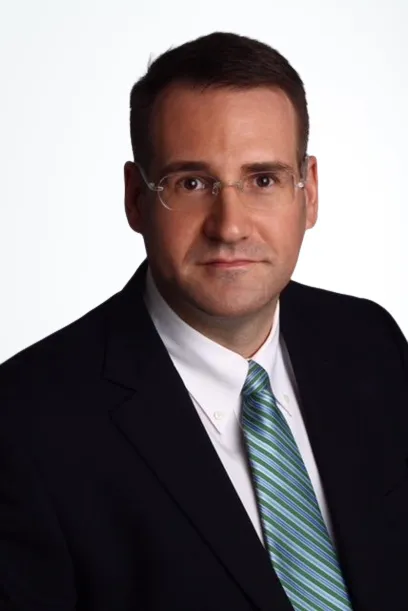
Rainer Michael Preiss is a German national and an investment advisor based in Singapore. He has over 25 years of experience in global private banking and multi-family office business across Europe, Middle East, Africa and Asia. Michael was previously the Chief Equity Strategist at Standard Chartered Bank (SCB) where he was one of seven voting members on the Global Investment Council which decided on SCB’s global investment policy. He is also a prolific and renowned contributor to the financial media world where he is a columnist for Forbes and is frequently featured on Bloomberg, CNA and CNBC.
Connect on LinkedIn →
