As we enter the second half of 2025, silver is gaining renewed attention among global investors.
Silver showed international outperformance: Notably exceeding gold and other safe havens so far this year and as they say in financial markets, the trend might well be your or the investors’ friend.
Big banks and distribution machines for financials assets are turning more positive if not bullish on Silver as part of analyst views.
According to U.S. spot prices, silver has climbed from around $28.97/oz on January 1 to a high of approximately $38.42/oz on July 11—a YTD gain of about +31.95%
International outperformance: Notably exceeding gold and other safe havens
Gold is and has traditionally been thought of as a wealth reserve and strategic asset allocation decision and Silver its poorer cousin as trade money and more of a part of tactical asset allocation.
Often overshadowed by its more famous cousin, gold, today and for the 2nd half of 2025 silver is increasingly viewed as a strategic asset that offers both defensive protection and growth exposure. With its unique role as both a precious metal and an industrial input, silver deserves serious consideration in globally diversified portfolios today. iShares Silver Trust (SLV) closed the week ended July 18th, 2025, at USD 34.61 a share and XAG Silver (SIU5) closed the week at USD 38.46.
Silver’s Dual Nature: Safe Haven and Growth Asset
Silver is rare among commodities in that it is both a store of value and a critical industrial material. This duality makes it particularly appealing in today’s complex macroeconomic environment. On the one hand, ongoing geopolitical uncertainty and elevated global debt levels increase demand for safe-haven assets. On the other, silver stands to benefit directly from long-term growth trends such as the clean energy transition, making it a hedge and a play on future innovation.
In H2 2025, silver continues to perform well in a world of:
- Slowing economic growth in developed markets
- Rising geopolitical tensions (Ukraine, Middle East, Taiwan Strait)
- Easing interest rate policies from major central banks
- Long-term inflation concerns tied to fiscal deficits and global debt overhang.
Industrial Demand Tailwinds: Silver Powers the Green Future
More than 50% of silver demand now comes from industrial applications, and that proportion is rising. The strongest growth area is clean energy:
- Solar energy: Silver is essential in photovoltaic (PV) cells. As solar adoption accelerates globally, silver demand is projected to surpass 180 million ounces in 2025.
- Electric vehicles (EVs): Each EV requires significantly more silver than internal combustion vehicles. As EV adoption scales, so does silver demand.
- 5G and electronics: Silver’s unmatched electrical conductivity makes it critical for high-speed data infrastructure and new-age electronics.
These drivers are not cyclical—they are structural, and they point to a long-term floor under industrial silver demand.
Tightening Supply and Structural Deficit
Silver production is failing to keep up with growing demand. Key issues include:
- Limited new mine supply: Years of underinvestment and stricter environmental regulation have capped mine output, particularly in Latin America.
- Declining ore grades: It’s becoming more expensive to extract silver from the ground.
- Falling inventories: Exchange-tracked inventories (COMEX, LBMA) have declined throughout 2024 and into 2025, reflecting physical market tightness.
The Silver Institute forecasts a structural deficit for the silver market in 2025, which is supportive of higher prices.
Valuation: Silver Looks Undervalued Relative to Gold
Silver has historically traded at around 60–65 times less than gold (the gold-to-silver ratio). As of mid-2025, this ratio is still around 80, suggesting silver is undervalued relative to gold. If history is a guide, any reversion to the mean could result in outsized gains for silver investors.
For those who already have gold exposure, silver provides a leveraged upside in bullish precious metal cycles, due to its higher volatility and industrial kicker.
Portfolio Diversification and Inflation Resilience
Silver offers tangible benefits from a portfolio construction perspective:
- Low correlation to equities and bonds, enhancing diversification.
- Inflation protection, particularly over longer cycles of monetary debasement.
- Tail-risk hedge during geopolitical or financial market shocks
In a world where traditional 60/40 portfolios are increasingly challenged, adding real assets like silver can improve risk-adjusted returns.
Rising Investor Interest and Technical Momentum
Retail and institutional interest in silver is growing. ETFs like SLV and PSLV have seen renewed inflows in 2025. Additionally, silver has broken above key technical levels, crossing $30/oz for the first time in a decade. If momentum continues, silver could test previous highs around $50/oz.
Risks to Consider
No investment is without risks or rather volatility. For silver, these include:
- Economic slowdown: Recessionary conditions could dampen industrial demand.
- Substitution risk: Innovation may reduce silver intensity in some applications.
- Volatility: Silver is historically more volatile than gold, with large short-term price swings.
Investors should size their allocation accordingly and diversify exposure.
Conclusion: A Strategic Allocation to Silver Makes Sense in H2 2025
Silver stands at the intersection of global macro trends, structural industrial demand, and relative undervaluation. Its unique attributes make it an attractive component of a globally diversified portfolio in H2 2025.
Allocating 3–5% of a portfolio to silver—through physical bullion, ETFs, or Silver mining equities—can offer both downside protection and upside potential in an uncertain and rapidly evolving financial landscape.
The inclusion of silver or other precious metals in a globally diversified investment portfolio should be carefully considered based on individual financial goals, risk tolerance, and investment horizon. Silver is a commodity asset that can be volatile and is influenced by various factors, including industrial demand, geopolitical events, inflation expectations, and currency fluctuations.
While silver may provide diversification benefits and serve as a potential hedge against inflation or currency risk, it does not guarantee positive returns and may underperform other asset classes over certain time periods. Past performance is not indicative of future results.
Disclaimer: This information is for educational and informational purposes only and does not constitute financial, investment, tax, or legal advice. Investors are encouraged to conduct their own research and consult with a licensed financial advisor or tax professional before making any investment decisions, particularly with respect to commodities like silver.
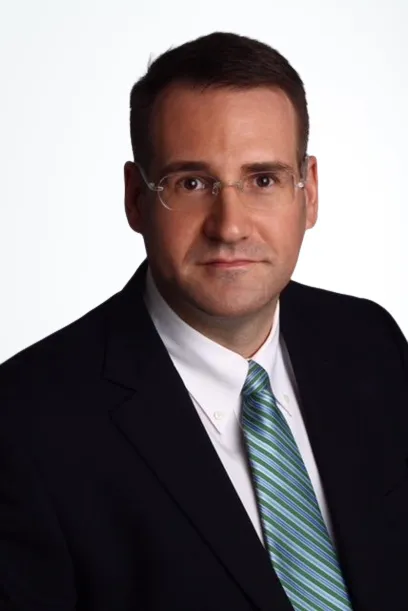
Rainer Michael Preiss is a German national and an investment advisor based in Singapore. He has over 25 years of experience in global private banking and multi-family office business across Europe, Middle East, Africa and Asia. Michael was previously the Chief Equity Strategist at Standard Chartered Bank (SCB) where he was one of seven voting members on the Global Investment Council which decided on SCB’s global investment policy. He is also a prolific and renowned contributor to the financial media world where he is a columnist for Forbes and is frequently featured on Bloomberg, CNA and CNBC.
Connect on LinkedIn →
