
Diversification: The Only Free Lunch in Investing
In the world of investing, the only certainty is uncertainty. Markets are influenced by countless factors—economic cycles, geopolitical events, interest rate movements, and technological shifts, to name a few. This unpredictability is precisely why diversification plays a central role in holistic portfolio construction. The phrase “the only free lunch on Wall Street is diversification” is a famous expression in finance, often attributed to economist Harry Markowitz, one of the pioneers of Modern Portfolio Theory.
What Is Diversification?
Diversification is the process of spreading investments across different asset classes, sectors, regions, and strategies to reduce risk. It should also include consideration of bank custody risk and country/jurisdiction risk.
Rather than placing all your capital in one type of investment (e.g., tech stocks), diversification means owning a mix of assets—such as equities, bonds, real estate, commodities, and even cash or alternative investments.
Why Diversification Matters
Reduces Risk of Capital Loss
By holding a wide array of assets, you limit the negative impact of one poor-performing investment. If one part of your portfolio underperforms, others may hold steady or gain, smoothing overall returns.
Improves Risk-Adjusted Returns
Diversified portfolios tend to deliver better long-term returns relative to their risk. Even if diversification doesn’t maximize gains in bull markets, it often protects capital in bear markets—improving what’s called the Sharpe ratio, or return per unit of risk.
Hedges Against Market Cycles
Different asset classes perform well in different economic environments. For example:
- Stocks may thrive in expansionary cycles.
- Bonds tend to do well in economic slowdowns or when interest rates fall.
- Commodities might surge during inflationary periods.
- Real estate may offer steady income and hedge against inflation.
Diversification helps you capture upside across various conditions while cushioning downside risks.
Behavioral Benefits
A diversified portfolio is less volatile, which helps investors stay disciplined and avoid emotional decision-making. Volatility often triggers panic selling during market downturns—a common cause of long-term underperformance.
Elements of Holistic Portfolio Diversification
Holistic portfolio construction goes beyond just spreading assets randomly. It requires considering:
- Asset class exposure: Equities, fixed income, alternatives, cash.
- Geographic diversification: Domestic vs. international assets.
- Sector diversification: Technology, healthcare, finance, consumer goods, etc.
- Currency exposure: Protecting against exchange rate volatility.
- Liquidity profile: Balancing short-term liquidity needs with long-term capital growth.
- Time horizon and goals: Aligning investment mix with retirement planning, education funding, or legacy goals.
- Tax and legal considerations: Incorporating tax efficiency and estate planning.
Conclusion
Diversification is not a guarantee against loss, but it is a cornerstone of sound investment strategy. By thoughtfully building a diversified portfolio, investors can protect themselves from severe drawdowns, enhance risk-adjusted returns, and increase the likelihood of meeting their long-term financial goals.
Disclaimer
This article is for informational purposes only and does not constitute investment advice, an offer, or a solicitation to buy or sell any securities. Investing in emerging or international markets carries specific risks, including currency fluctuations, political instability, and market volatility. Past performance is not indicative of future results. Investors should conduct their own research or consult with a licensed financial advisor before making any investment decisions.
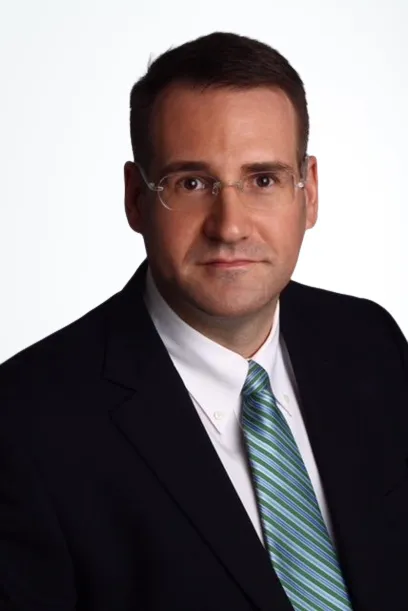
Partner & Portfolio Strategist —
Rainer Michael Preiss is a German national and an investment advisor based in Singapore. He has over 25 years of experience in global private banking and multi-family office business across Europe, Middle East, Africa and Asia. Michael was previously the Chief Equity Strategist at Standard Chartered Bank (SCB) where he was one of seven voting members on the Global Investment Council which decided on SCB’s global investment policy. He is also a prolific and renowned contributor to the financial media world where he is a columnist for Forbes and is frequently featured on Bloomberg, CNA and CNBC.
Connect on LinkedIn →
