
Rainer Michael Preiss – Global Markets Commentary
March 2026 | Singapore
Executive Summary
The evolving geopolitical tensions involving Iran represent a material but episodic risk factor for global markets. For private clients, the key is disciplined portfolio construction rather than reactive trading. Historically, Middle East flashpoints create short-term volatility in energy prices, safe-haven assets, and risk premia, but diversified portfolios tend to recover quickly. Proper risk budgeting, liquidity management, and scenario analysis remain the most effective defenses.
1. Why Iran Matters for Global Markets
Iran sits at the heart of the global energy system via the Strait of Hormuz, through which roughly one-fifth of global oil supply transits. Any escalation risk can transmit through:
- Oil and LNG prices
- Shipping and insurance costs
- Global inflation expectations
- Risk sentiment and equity volatility
- Safe-haven flows into USD, gold, and Treasuries
However, markets typically price geopolitical risk quickly and then normalize unless supply disruptions become sustained.
2. Historical Market Pattern
Past Middle East conflicts show a consistent pattern:
- Phase 1: Initial risk-off shock (oil up, equities down)
- Phase 2: Policy and diplomatic stabilization
- Phase 3: Risk assets recover
For long-term investors, panic selling has historically destroyed value, while disciplined rebalancing has added alpha.
3. Portfolio Construction Implications
Private client portfolios should be built to absorb shocks rather than predict them.
Core Principles:
- Maintain strategic asset allocation (SAA) discipline
- Ensure adequate liquidity buffers
- Diversify across regions and asset classes
- Avoid concentrated single-country energy bets unless intentional
Well-constructed global portfolios already contain natural hedges via energy exposure, commodities, and reserve currencies.
4. Asset Class Impact Assessment
- Equities: Short-term volatility likely; energy and defense may outperform.
- Fixed Income: Flight-to-quality supports U.S. Treasuries and high-grade bonds.
- Commodities: Oil and gold typically benefit from escalation risk.
- Currencies: USD and CHF usually strengthen; EM FX may weaken temporarily.
Private clients should view these as tactical tilts, not wholesale allocation shifts.
5. Practical Risk Management Playbook
Recommended actions for private clients:
- Rebalance rather than liquidate risk assets
- Maintain 6–12 months liquidity for private portfolios
- Stress-test portfolios for oil shock scenarios
- Review geopolitical concentration risks
- Avoid leverage expansion during volatility spikes
The goal is resilience, not prediction.
6. Scenario Framework
- Bull Case (De-escalation): Oil retraces, global equities resume uptrend.
- Base Case (Contained tensions): Periodic volatility but no lasting market damage.
- Bear Case (Supply disruption): Sustained oil spike, inflation pressure, risk-off regime.
Current market pricing typically reflects the base case unless physical supply is impaired.
Bottom Line for Private Clients
Geopolitical shocks are inevitable; portfolio discipline is optional. The Iran situation reinforces the importance of global diversification, liquidity management, and systematic rebalancing. Private clients who remain strategically invested and avoid emotional decision-making are typically best positioned to navigate periods of geopolitical stress.
This document is for informational purposes only and does not constitute investment advice, an offer, or a solicitation to buy or sell any securities. Investments involve risk, including possible loss of principal. Past performance is not indicative of future results. Investors should consult their financial, legal, and tax advisers before making investment decisions. This commentary is provided in the context of Singapore regulations and is not intended as a product recommendation.
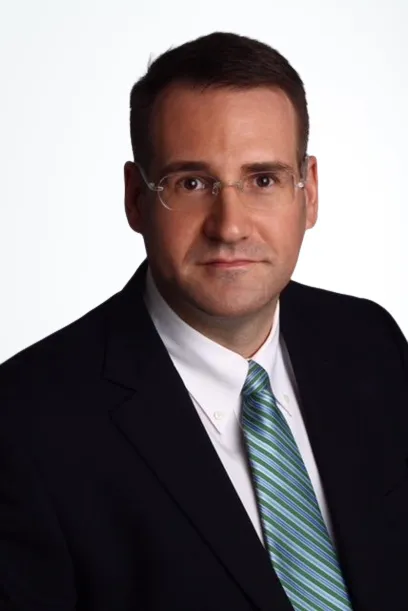
Rainer Michael Preiss is a German national and an investment advisor based in Singapore. He has over 25 years of experience in global private banking and multi-family office business across Europe, Middle East, Africa and Asia. Michael was previously the Chief Equity Strategist at Standard Chartered Bank (SCB) where he was one of seven voting members on the Global Investment Council which decided on SCB’s global investment policy. He is also a prolific and renowned contributor to the financial media world where he is a columnist for Forbes and is frequently featured on Bloomberg, CNA and CNBC.
Connect on LinkedIn →
