
Avoiding Common Wealth Management Mistakes: Why Holistic Portfolio Construction Matters
In an increasingly complex financial world, many private clients rely on banks to manage their wealth. Yet despite access to sophisticated services, a surprising number of high-net-worth individuals (HNWIs) fall prey to basic missteps—particularly when their financial decisions are fragmented, reactive, or overly reliant on relationship managers with sales-driven incentives. The consequences can be significant: from excessive fees and suboptimal asset allocations to missed opportunities and increased risk exposure. Understanding the pitfalls and embracing holistic portfolio construction is essential to preserving and growing wealth over time.
Mistake: Confusing Sales with Advice
One of the most pervasive errors clients make is mistaking the bank’s product recommendations for independent financial advice. Relationship managers, while often well-trained, are typically incentivized to sell bank proprietary products—structured notes, funds-of-funds, or in-house mandates—that generate high fees for the bank rather than optimal outcomes for the client.
Solution: Clients must seek transparency about fee structures and potential conflicts of interest. Independent financial advisors or external asset managers (EAMs) not tied to a single institution may offer a broader, less biased perspective.
Mistake: Siloed Investment Decisions
Private clients frequently maintain relationships with multiple banks without coordinating investment strategies across them. This fragmentation leads to:
- Overexposure to certain sectors or geographies
- Redundant holdings
- Lack of overall portfolio visibility and risk control
Solution: Embrace consolidated reporting and work with a central advisor or family office that oversees all holdings. Integration allows for better risk-adjusted returns and avoids duplication or unintended bets.
Mistake: Chasing Yield or Fashionable Trends
From private placements to cryptocurrency funds or tech IPOs, many clients are lured by “exclusive” deals or the latest trends pitched by banks. These may lack liquidity, carry high risks, or be structured in ways that favor the issuer more than the investor.
Solution: A disciplined investment policy and robust due diligence are essential. Focus on long-term value, quality of earnings, and alignment with personal financial goals.
Mistake: Ignoring Currency and Liability Matching
International private clients often earn in one currency, live in another, and invest in a third. Without active currency management, they risk eroding returns through FX volatility—particularly in times of geopolitical instability or divergent central bank policies.
Solution: Match currency exposure to future liabilities. Use hedging strategies or consider multi-currency allocation aligned with spending and legacy planning.
Mistake: Underestimating Liquidity Needs
Clients sometimes commit too much capital to illiquid investments—private equity, real estate, long lock-up hedge funds—without clear planning for near-term expenses, tax liabilities, or emergencies.
Solution: Apply a tiered liquidity approach:
- Short-term: Cash and liquid fixed income
- Medium-term: Public markets with moderate volatility
- Long-term: Illiquid alternatives or direct investments
Mistake: Failing to Align with Personal Values and Goals
Many wealthy clients fail to translate their values—such as legacy, philanthropy, or sustainability—into their portfolios. Instead, investments are often reactive and disconnected from broader life objectives.
Solution: Adopt a goals-based or values-based investing framework. This includes ESG integration, charitable structures, intergenerational planning, and aligning risk with life milestones.
Why Holistic Portfolio Construction Matters
Holistic portfolio construction is more than just asset allocation—it is the orchestration of liquidity, risk, tax efficiency, and values into a unified wealth strategy. It recognizes the interplay between assets, liabilities, business interests, lifestyle goals, and succession plans. Banks may provide individual components, but it is the client’s responsibility (ideally guided by a fiduciary advisor) to ensure the orchestra plays in harmony.
By avoiding these common mistakes and taking a holistic view, private clients can turn bank relationships into powerful engines of wealth stewardship rather than costly sources of fragmentation or underperformance.
Disclaimer
This article is for informational purposes only and does not constitute financial, legal, or investment advice. Readers should seek independent professional guidance tailored to their specific circumstances before making any financial decisions. The views expressed are general in nature and may not reflect the policies or practices of all financial institutions or advisors.
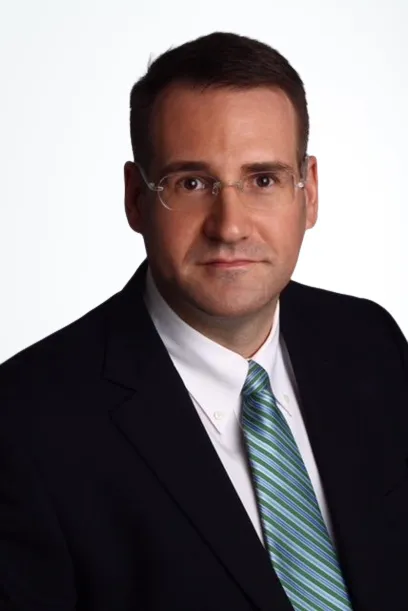
Partner & Portfolio Strategist —
Rainer Michael Preiss is a German national and an investment advisor based in Singapore. He has over 25 years of experience in global private banking and multi-family office business across Europe, Middle East, Africa and Asia. Michael was previously the Chief Equity Strategist at Standard Chartered Bank (SCB) where he was one of seven voting members on the Global Investment Council which decided on SCB’s global investment policy. He is also a prolific and renowned contributor to the financial media world where he is a columnist for Forbes and is frequently featured on Bloomberg, CNA and CNBC.
Connect on LinkedIn →
