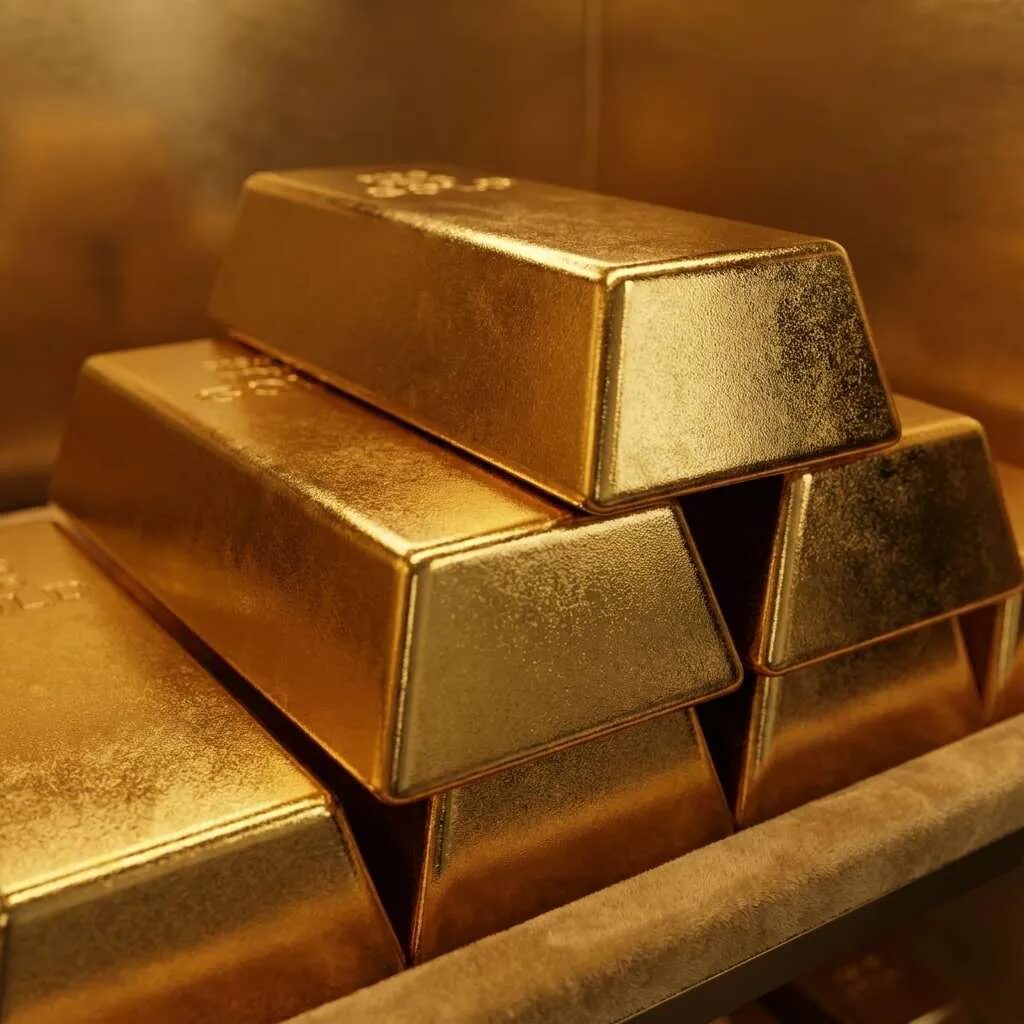
To become wealth and to stay wealth its important to be ahead of the curve and a key skill and mind set is to “read the mind of the market”.
On the back of the U.S. dollar it says in “God we Trust” and the dollar is still the un-disputed King of the 24 hour seven days a week global FX foreign exchange market.
In Chinese language and culture, there is an expression: a picture is worth more than 1,000 words.
In the global financial system and capital markets, this picture today is the chart of price performance of Gold, the trusted money without a government, versus the paper money and the legal & political risk of the United States of America, the USD the United States dollar.
As the world’s reserve currency, trust in the currency and trust in the system that underpins it, is important. Smart money and successful investors tend to listen to the market. The global financial market increasingly tends to say and is signaling in” gold we trust “
There’s growing appreciation that the gold and silver bull market has returned, though the reasons justifying it may not be apparent. But recent price action is an important turning point.
Banks in Vietnam prominently show a display of interest rates outside their bank branches VND 5.7% and US dollar = 0.00%
Vietnam is also the country in the world where the price of gold as measured in ounces was already above USD 3,000 levels way before the global market pushed the price of gold beyond USD 3,000 per ounce.
There are important factors in the background driving the relationship between monetary metals, the dollar, and the other major G7 currencies. These include geopolitics: last view weeks saw plans advancing for a non-dollar (and G7) currency area incorporating the Shanghai Cooperation Organisation, BRICS, and those nations in the queue to join, representing 70% of the world’s population. Additionally, there is a developing G7 bond crisis as the debt bubble hits the buffers. And technical analysis tells us that gold and silver prices are going potentially far higher. As to how high ? the wise and patient investor will tell you “let the global markets guide us.”
Gold and silver appear to be front-running major changes in the relationship between G7 currencies and the consequences of these tectonic shifts.
unequivocally bullish, with a minimum projection to $4,300. As to why this is justified on fundamentals, momentum traders are unlikely to care. But political pressure on the Fed to reduce rates coupled with a stalling economy plus increasing price inflation is probably enough reason for most.
Additionally, stubbornly high long bond yields in the US and elsewhere forces central banks to fund government debt at short maturities. While lower interest rates will reduce funding costs in treasury bills, it means that increasing quantities of debt need to be rolled over in addition to new funding. Long term, this is bound to be a problem. Short term, it encourages the Fed and other central banks to cut rates as much as they dare, which undermines the currency and increases gold and silver prices.
So far as gold and silver are concerned, the Fed’s interest rate policy is despite CPI inflation running well above target, and likely to increase further in 2026. Under political pressure, the Fed is abandoning an appropriate monetary policy risking a weaker dollar and much higher global Gold prices.
The message to readers and investors is “listen” to the market
After years of lagging behind the metal itself, gold equities have regained momentum in 2025. Supported by stronger bullion prices and improved company fundamentals, gold mining shares have delivered outsized gains relative to gold. This rebound has reignited investor interest in the sector and could be a preview to a continued structural bull market in the price of gold.
Gold equities are often described as a leveraged play on gold. While bullion functions as a store of value and hedge against systemic risk, gold equities are businesses whose earnings are directly exposed to changes in gold prices.
Legendary investor on donor to the usa democratic party and ex US president Obama, put it best in his book: the alchemy of Finance: reading the mind of the market.
The mind of the market and in “gold we trust” clearly shows gold has $4000 firmly in its sights. As per the legal disclaimer, the United States dollar is the legal and political risk of the united States of America.
Gold and gold equities can serve complementary roles within a diversified portfolio. Allocation should reflect risk tolerance, investment horizon, and broader portfolio objectives:
For most investors, a 60/40 split between gold bullion and gold equities within their gold allocation captures both defensiveness (bullion) and upside leverage (gold miners).
Institutional context: In multi-asset portfolios, gold often sits within the “alternatives” or “real assets” sleeve, while gold equities may be classified under global equities or thematic exposures.
Gold equities have entered a new cycle of strength, breaking away from a prolonged phase of underperformance relative to bullion. Their rebound reflects not only higher gold prices but also structural improvements in capital discipline and balance sheet health of gold mining companies.
For investors, bullion and gold equities serve distinct but complementary roles.
- Bullion provides stability, diversification, and downside protection.
- Gold equities provide amplified exposure to gold prices and potential return enhancement, albeit with higher volatility.
A carefully sized allocation – combining bullion’s defensiveness with the upside leverage of miners – can strengthen portfolio resilience while capturing opportunities in the current gold cycle. In the final analysis and in the words of a Chinese proverb “both survival and fortune favors the brave & the prepared mind”.
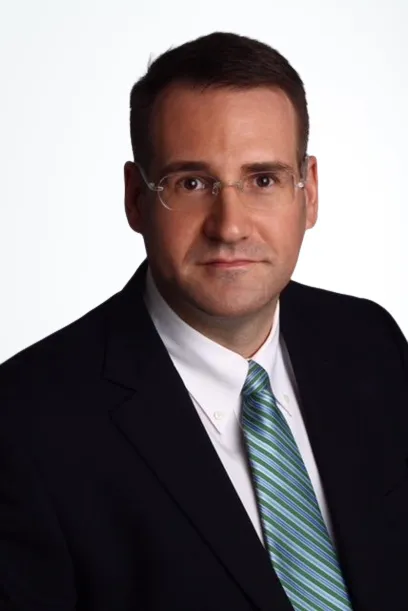
Rainer Michael Preiss is a German national and an investment advisor based in Singapore. He has over 25 years of experience in global private banking and multi-family office business across Europe, Middle East, Africa and Asia. Michael was previously the Chief Equity Strategist at Standard Chartered Bank (SCB) where he was one of seven voting members on the Global Investment Council which decided on SCB’s global investment policy. He is also a prolific and renowned contributor to the financial media world where he is a columnist for Forbes and is frequently featured on Bloomberg, CNA and CNBC.
Connect on LinkedIn →
