Rainer Michael Preiss – Global Markets Commentary
May 2026
Introduction
For many successful entrepreneurs, business owners, executives, and wealthy families, wealth preservation eventually becomes more important than wealth creation alone.
Generating wealth and preserving wealth are often very different skill sets.
This is one reason why many sophisticated private clients increasingly choose to work with a Multi-Family Office (MFO).
The most successful long-term client outcomes usually emerge from:
- Strong alignment
- Clear communication
- Realistic expectations
- Behavioral discipline
- Long-term thinking
- Trust-based collaboration
What Is a Multi-Family Office?
A Multi-Family Office generally provides integrated wealth management services to multiple affluent families and private clients.
Services may include:
- Investment advisory
- Portfolio construction
- Strategic asset allocation
- Tax coordination
- Estate planning coordination
- Risk management
- Alternative investment access
- Banking coordination
- Succession planning
The Most Important Principle: Define the Mission of the Capital
Different pools of wealth may have different objectives:
- Wealth preservation
- Intergenerational transfer
- Lifestyle income
- Inflation protection
- Business liquidity reserves
- Opportunistic investing
- Philanthropic goals
- Legacy planning
The best MFO relationships begin with clarity of purpose.
Clients Must Think Long Term
Sophisticated wealth management is usually a marathon, not a sprint.
One of the biggest destroyers of long-term investment success is excessive short-term thinking.
Many private clients damage returns through:
- Emotional reactions
- Performance chasing
- Panic selling
- Constant strategy switching
- Unrealistic return expectations
Asset Allocation Matters More Than Product Selection
Long-term investment studies repeatedly show that strategic asset allocation is often one of the most important drivers of portfolio outcomes.
An effective MFO relationship should therefore focus heavily on:
- Risk-adjusted portfolio construction
- Diversification
- Liquidity management
- Correlation analysis
- Currency exposure
- Geographic diversification
Communication and Transparency Are Essential
Clients should clearly communicate:
- Liquidity requirements
- Risk tolerance
- Time horizon
- Family objectives
- Concentration exposures
- Currency liabilities
- Tax considerations
A professional MFO should communicate clearly regarding:
- Portfolio risks
- Fees
- Investment rationale
- Expected volatility
- Liquidity limitations
- Drawdown scenarios
Understand Risk Before Chasing Returns
Sophisticated MFOs increasingly emphasize:
- Risk budgeting
- Stress testing
- Tail-risk analysis
- Liquidity risk
- Concentration risk
- Currency risk
- Geopolitical risk
Diversification Must Be Real
Many portfolios appear diversified on paper but remain highly concentrated in reality.
An experienced MFO should help clients analyze:
- True portfolio correlation
- Hidden concentration risk
- Cross-asset interaction
- Scenario vulnerability
Liquidity Management Is Critical
Liquidity is one of the most underestimated aspects of private wealth management.
An effective MFO relationship should include careful planning around:
- Cash reserves
- Capital calls
- Tax liabilities
- Family obligations
- Business funding needs
Behavioral Discipline Is Often the Biggest Edge
One of the most important roles of a high-quality MFO is behavioral management.
Successful private clients usually avoid:
- Emotional decision-making
- Excess leverage
- Performance chasing
- Constant portfolio turnover
Alignment of Interests Matters
Clients should understand:
- Whether fees are transparent
- Whether compensation is product-driven
- Whether conflicts of interest exist
- Whether advice is independent
Education Creates Better Outcomes
The best client relationships are educational partnerships.
An effective MFO should help clients better understand:
- Market cycles
- Risk management
- Asset allocation
- Inflation
- Currency dynamics
- Interest rates
- Behavioral finance
The Importance of Intergenerational Planning
An MFO can help structure:
- Family governance
- Succession frameworks
- Trust coordination
- Estate planning
- Education for next-generation family members
Technology and Reporting Matter
Sophisticated clients increasingly expect:
- Consolidated reporting
- Multi-bank visibility
- Real-time portfolio analytics
- Risk dashboards
- Transparent fee reporting
Conclusion
Working successfully with a Multi-Family Office is not about outsourcing responsibility entirely.
The best results usually occur when:
- Clients remain engaged
- Objectives are clearly defined
- Communication remains transparent
- Risk is understood properly
- Expectations remain realistic
- Long-term discipline is maintained
Ultimately, sustainable long-term investment success is more often driven by:
- Discipline
- Asset allocation
- Risk management
- Diversification
- Liquidity planning
- Behavioral stability
- Long-term thinking
Disclaimer
This article is for informational purposes only and does not constitute investment advice. Investments involve risks, including loss of capital. Past performance is not indicative of future results.
Rainer Michael Preiss, Partner & Portfolio Strategist, DAS family office, Singapore
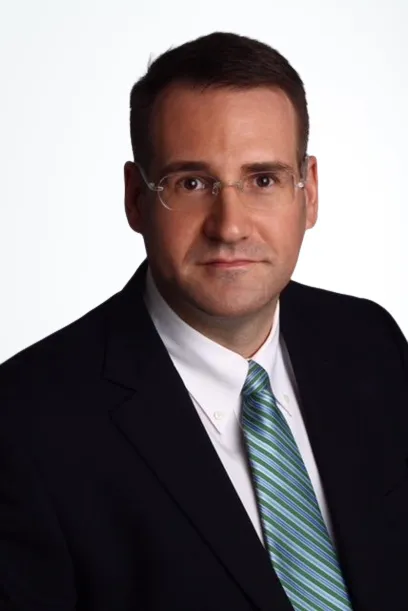
Rainer Michael Preiss is a German national and an investment advisor based in Singapore. He has over 25 years of experience in global private banking and multi-family office business across Europe, Middle East, Africa and Asia. Michael was previously the Chief Equity Strategist at Standard Chartered Bank (SCB) where he was one of seven voting members on the Global Investment Council which decided on SCB’s global investment policy. He is also a prolific and renowned contributor to the financial media world where he is a columnist for Forbes and is frequently featured on Bloomberg, CNA and CNBC.
Connect on LinkedIn →
