Rainer Michael Preiss — Global Markets Commentary | August 2026
Active and passive ETFs are complementary tools, not competing ones. The question is where manager skill is actually worth paying for.
Exchange Traded Funds (ETFs) have transformed the investment landscape over the past two decades. Today investors face an important choice: should they invest in traditional passive index ETFs or in actively managed ETFs? Understanding the difference is essential for constructing resilient portfolios in an increasingly complex investment environment.
Passive ETFs: Owning the Market
Traditional ETFs are designed to replicate the performance of a market index. Rather than attempting to outperform, they seek to deliver the return of the underlying benchmark as efficiently as possible. Their advantages include low fees, broad diversification, transparency, tax efficiency and consistent benchmark performance. For many investors, passive ETFs represent the foundation of a well-diversified long-term portfolio.
Active ETFs: Seeking to Beat the Market
Active ETFs employ professional portfolio managers who select securities based on research, valuation, macroeconomic trends and investment conviction. Their objective is to outperform a benchmark or deliver superior risk-adjusted returns. The portfolio evolves as opportunities and risks change.
Why Active ETFs Have Become Popular
Growing market concentration, rapid technological disruption, changing interest-rate cycles and geopolitical uncertainty have increased demand for active management. Active ETFs combine professional portfolio management with the liquidity and flexibility of the ETF structure.
Costs
Passive ETFs typically charge between 0.03% and 0.20% annually, while active ETFs often charge 0.40% to 1.00% or more. Investors should always assess whether the manager’s potential value added justifies the additional cost.
Where Active Management May Add Value
Active management can be particularly valuable in less efficient markets such as emerging markets, small caps, frontier markets, high-yield credit, infrastructure, artificial intelligence, robotics and biotechnology.
The Core-Satellite Approach
Many professional investors combine both approaches. A portfolio might allocate 70–90% to passive core holdings and 10–30% to active satellite strategies focused on areas where manager skill can add value.
Questions for Private Clients
Before investing, consider the manager’s philosophy, experience, long-term track record, consistency, risk management and fees — and how the ETF complements the existing portfolio.
Investment Conclusion
Private clients should view active and passive ETFs as complementary rather than competing investment tools. Passive ETFs provide efficient long-term market exposure, while active ETFs can enhance returns, manage risk and access specialist opportunities. A disciplined core-satellite strategy offers an effective framework for globally diversified portfolios.
This commentary is provided for informational purposes only and does not constitute investment advice or an offer to buy or sell securities. Investors should consider their objectives, risk tolerance and consult professional advisers before investing. Past performance is not indicative of future results.
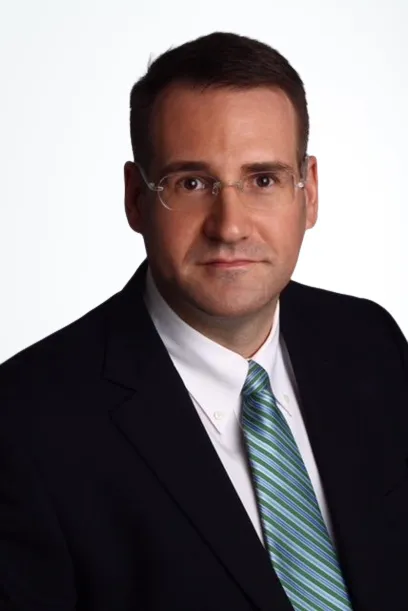
Rainer Michael Preiss is a German national and an investment advisor based in Singapore. He has over 25 years of experience in global private banking and multi-family office business across Europe, Middle East, Africa and Asia. Michael was previously the Chief Equity Strategist at Standard Chartered Bank (SCB) where he was one of seven voting members on the Global Investment Council which decided on SCB's global investment policy. He is also a prolific and renowned contributor to the financial media world where he is a columnist for Forbes and is frequently featured on Bloomberg, CNA and CNBC.
